
How Handmade Soap Is Made
From oils to curing racks — a look at the craft behind every Natural Now bar.
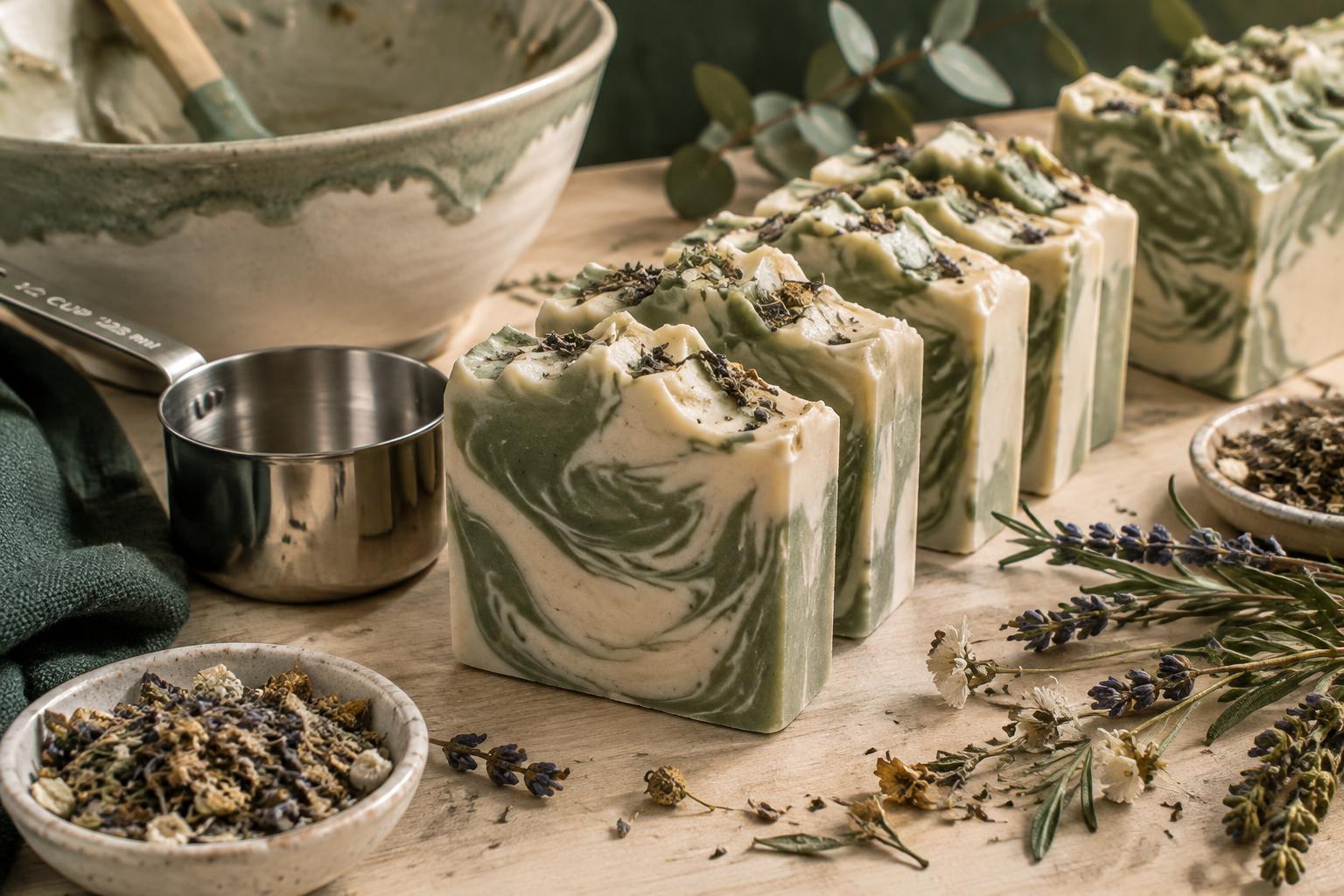
From Nature to Your Skin – The Art of Handmade Soap
Handmade soap is a traditional craft that combines carefully selected ingredients, chemistry, creativity, and patience. Unlike mass-produced products, artisan soaps can be made in small batches with attention to ingredients, texture, fragrance, and appearance.
Step by Step
Step 1 – Selecting the Ingredients
Soapmakers begin by choosing oils and botanical ingredients. Depending on the recipe, these may include olive oil, coconut oil, shea butter, essential oils, herbs, and natural colorants. Each ingredient plays a different role in the finished soap.
Step 2 – Measuring and Mixing
For traditional cold-process soap, oils are combined with a carefully measured solution of water and sodium hydroxide, also called lye. This starts a chemical reaction known as saponification, which transforms oils into soap and naturally produces glycerin.
Step 3 – Adding Botanical Ingredients
Depending on the formula, soapmakers may add essential oils, botanical powders, clays, or dried herbs to create distinctive colors, fragrances, and textures.
Step 4 – Pouring the Soap
The blended soap mixture is poured into a rectangular loaf mold and allowed to firm up. This is where the soap begins taking its final shape.
Step 5 – Cutting Individual Bars
Once firm enough, the soap loaf is removed from its mold and carefully sliced into individual bars. Each bar may have slight variations in appearance, adding to its handcrafted character.
Step 6 – The Curing Process
Traditional cold-process soap generally cures for approximately 4–6 weeks. During this period, excess water evaporates, allowing the bars to become harder and longer-lasting.
Step 7 – Ready to Enjoy
After proper curing and quality checks, the finished bars are ready for packaging and everyday cleansing.