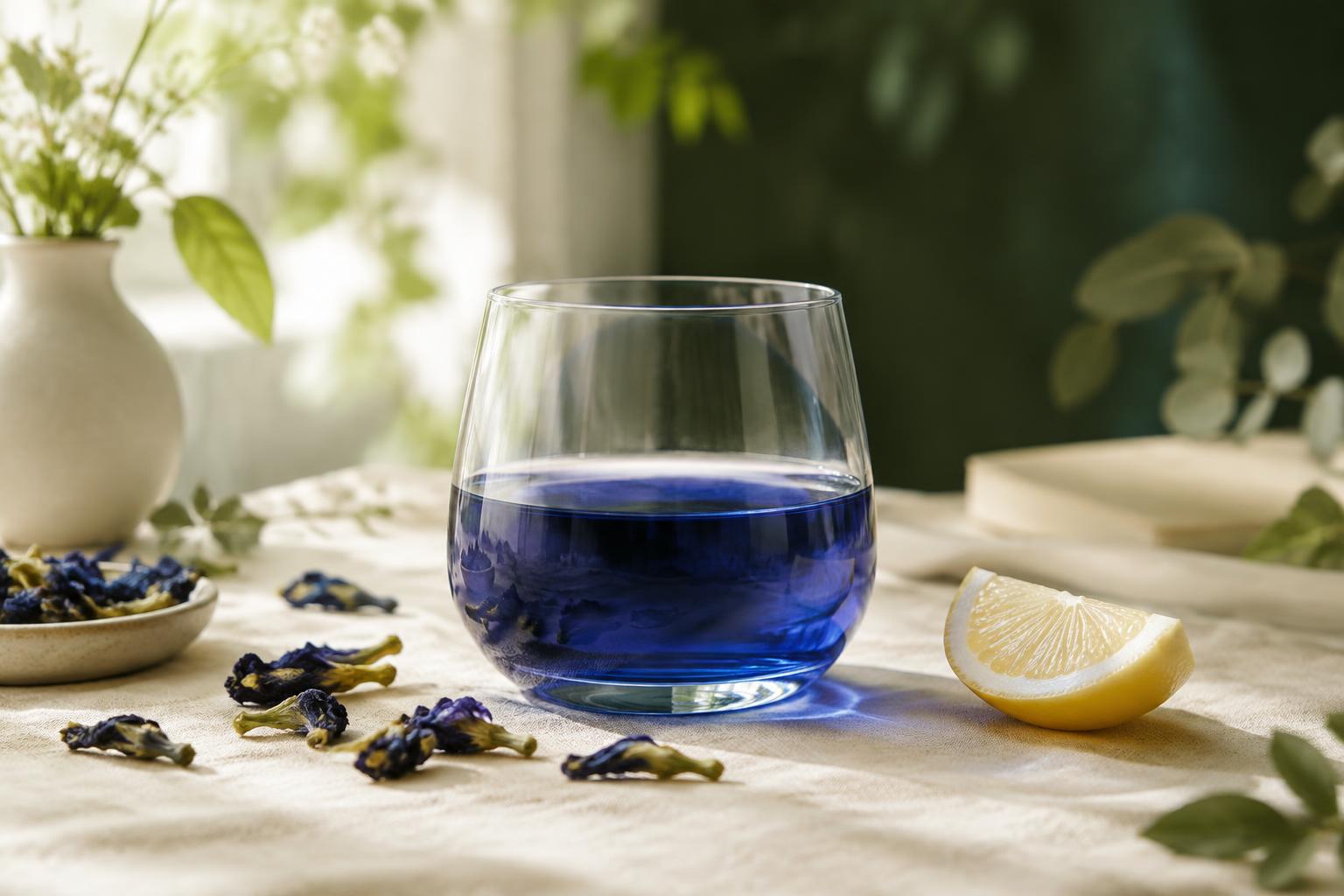
Discover the Ingredients
Explore the natural ingredients behind the products you love.
Natural Now Wellness Finder
Explore Nature's Ingredients
Search ingredients, explore their characteristics, and discover Natural Now products that contain them.
Product suggestions are for general shopping and educational purposes and are not medical advice.
Why Choose Natural Handmade Soap?
7 Reasons to Choose Natural Handmade Soap
Tap any card to read more. Highlighted ingredients link to Natural Now products that contain them.
What's the Difference?
Good to know: Not all commercial cleansers are harsh, and not all natural soaps are appropriate for every skin type. The ingredients, formulation, and individual skin needs matter most.
From Natural Oils to Beautiful Handmade Soap
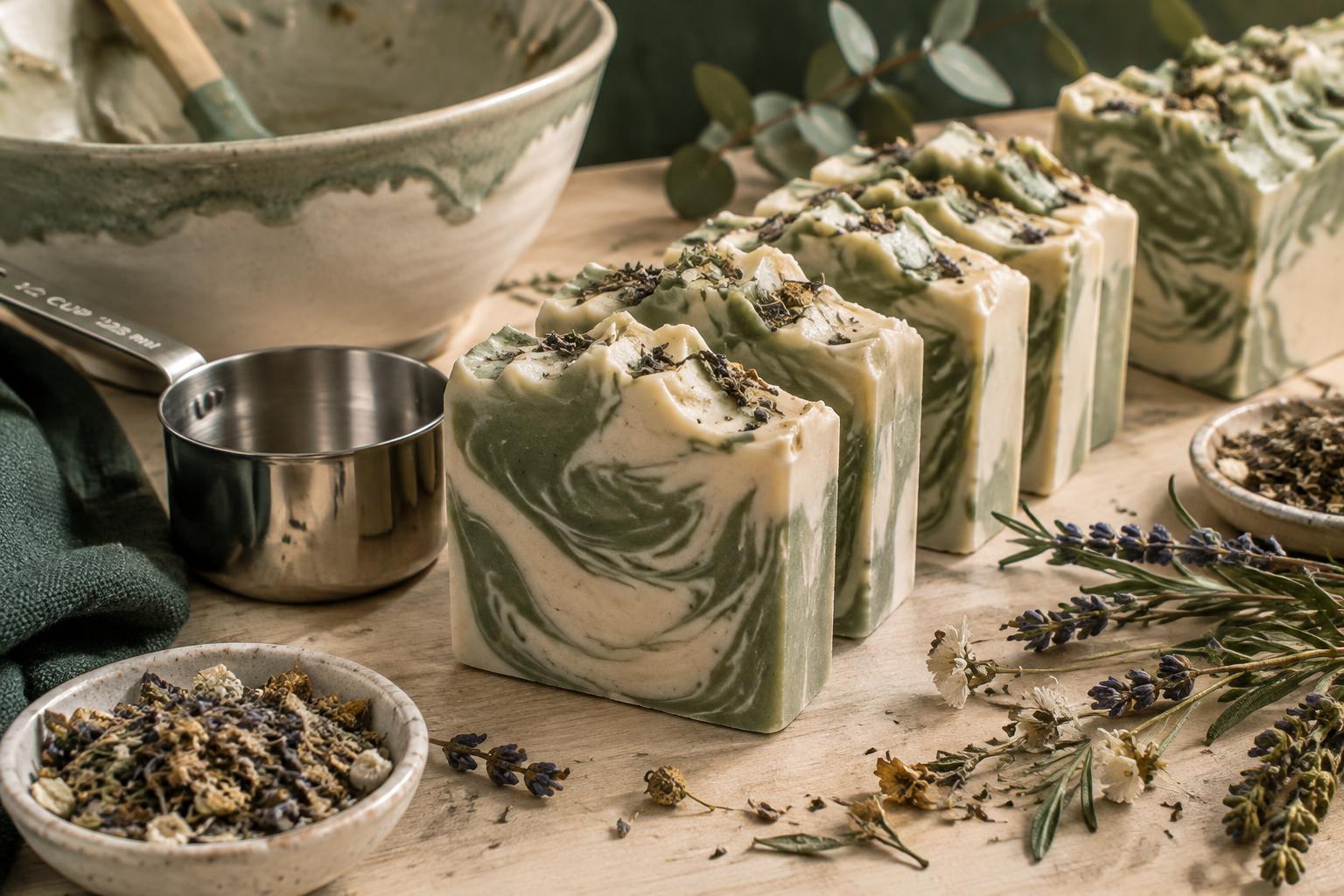
Selecting Ingredients
Quality oils, butters and optional botanical additives are chosen for the recipe.
Measuring and Preparing
Oils and a sodium hydroxide (lye) solution are carefully measured.
Saponification
The oils react with sodium hydroxide to form soap and naturally produce glycerin.
Pouring Into Molds
The soap mixture is poured into loaf molds to firm up.
Cutting the Bars
The loaf is removed from its mold and cut into individual bars.
Curing
Traditional cold-process soap cures, often for four to six weeks depending on the formulation.
Properly formulated, fully reacted soap should not contain excess caustic lye — the lye is used up as it turns oils into soap. This is a general description of traditional soapmaking; each Natural Now product page lists its own ingredients.
Did You Know?
Little facts about nature, ingredients, and the products you use every day.
No facts in this category yet.
Nature Inspired. Thoughtfully Made.
Discover the ingredients, craftsmanship, and simple beauty behind Natural Now's botanical collection.
Natural Now
Pure. Simple. Plant-Powered.
www.itworksallday.com